Can You Have Chickens in an HOA?
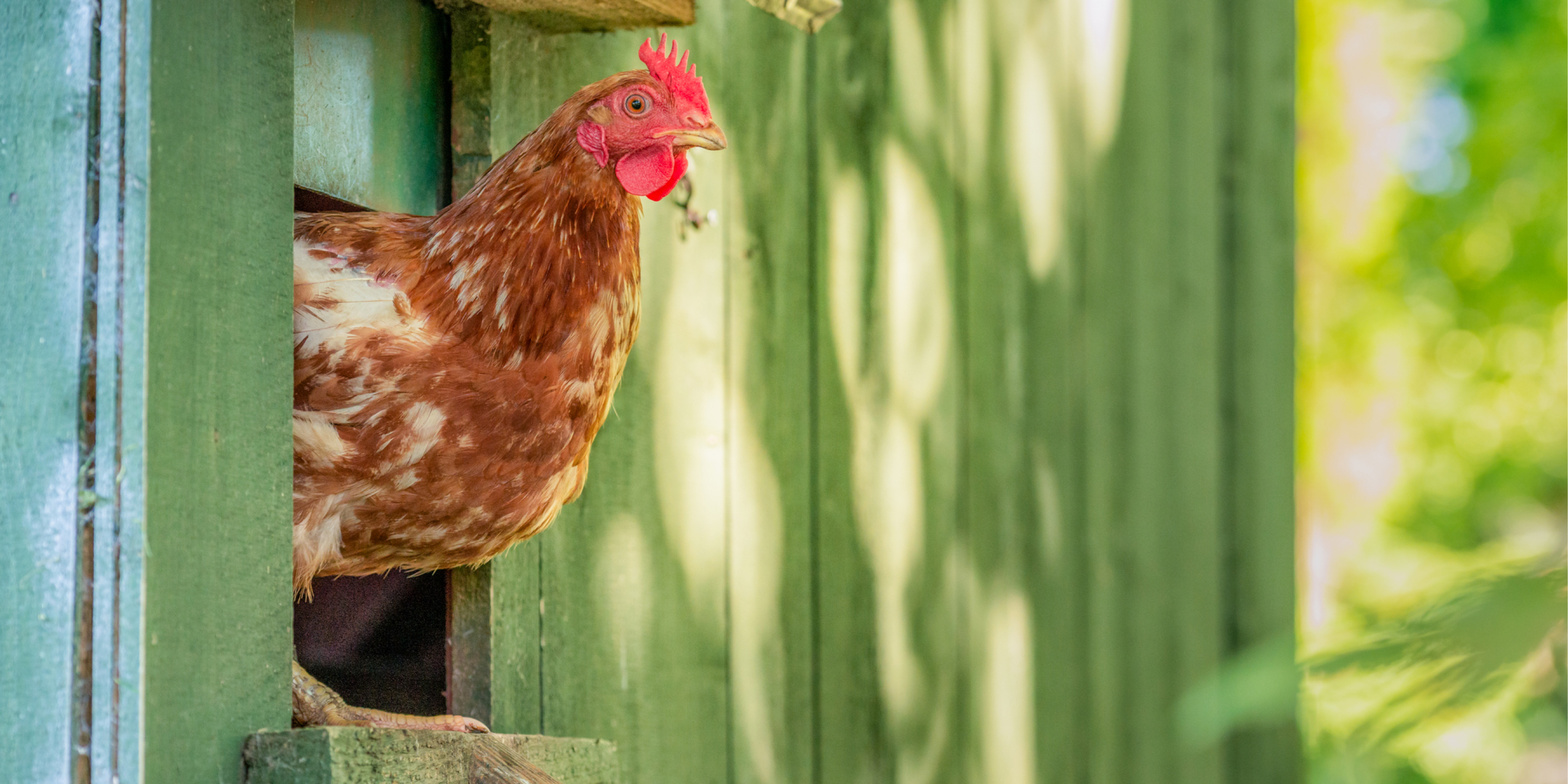
Can you have chickens in a homeowners’ association (HOA)? Can an HOA ban chickens outright? It’s all up to local ordinances or state laws and your association’s governing documents, but many communities do impose restrictions on livestock, including chickens. Keep reading to find out why and discover best practices for navigating relevant laws.
Can an HOA Ban Chickens?
Yes, an HOA can ban the raising of chickens. To determine if chickens are banned in the community, check your governing documents. The governing documents serve as the rulebook of an association and detail restrictions on what board members and homeowners can and cannot do on their property.
Governing documents are legally binding. Although your local government may permit chickens in backyards, once you purchase a home in an HOA, you agree to abide by its rules. Read the rules and regulations carefully before you buy if you plan on having chickens or any other livestock on your property.
LEARN MORE: “A Breakdown of HOA Governing Documents”
Why do HOAs Ban Chickens?
Chickens may be banned in the community to:
- Keep the community safe. Backyard chickens may create unsanitary conditions or attract predators that could threaten the health and safety of residents and pets.
- Maintain property values. Architectural standards are designed to keep the neighborhood attractive to existing homeowners and prospective buyers. Chicken coops may conflict with an association’s architectural rules.
- Promote a harmonious living environment. It’s important to limit noise disruptions and other nuisances to offer residents the peaceful enjoyment of their property.
State Legislation on the HOA’s Power to Ban Chickens
In recent years, several states have proposed legislation to limit or prohibit community associations' ability to adopt and enforce their own rules. The issue that’s been included in the most prevalent legislation includes raising chickens, fowl, or rabbits. Although chickens may be prohibited in the governing documents, state legislators are frequently considering pre-empting or severely limiting a community association’s power to restrict livestock and other animals.
This issue being debated in state legislatures: Who determines the rules in an HOA regarding an owner’s ability to raise chickens on their property? The state legislature or residents who live in an HOA? For now, associations are allowed to make that determination in Texas and most other states without state intervention.
RELATED: “HOA Rules Guidebook: Everything Residents Need to Know”
Where to Find HOA Chicken Rules
A community’s rules and regulations, including chicken rules, are found in the governing documents. You should’ve received a copy of the governing documents at the time of closing. However, you can also find your governing documents by:
- Visiting your community website. Some states require access to governing documents on the HOA website. Log into your community’s website portal to try to find yours.
- Searching public records. Some documents are public records and can be purchased for a small fee through your local government offices.
- Contacting your title company. Because the governing documents are part of the closing process, your title company may store these records.
- Reaching out to your community association. Contact your community manager or a board member to learn where to find your governing documents.
What Happens If You Violate Chicken Rules?
If you fail to abide by your association’s rules, guidelines, and expectations, you could face several consequences. Here’s what may happen if you violate HOA rules on chickens.
- Violation notice. This official warning is an effort to resolve the issue amicably.
- Opportunity to correct the issue. You may be offered a specific length of time to remove the chickens from your home or property with no enforcement penalties.
- Fines for noncompliance. If you don’t remove chickens from your home within the timeframe requested, you may receive fines for noncompliance until the issue is resolved.
- Legal action. The association may have a right to pursue legal action for serious infractions.
Review the governing documents to understand violation procedures in your community. If you have questions or concerns, reach out to your community manager or board.
Enforcing Chicken Restrictions in Community Associations
HOAs have the authority to restrict or ban raising chickens, but some communities have voted to allow them. All HOA restrictions are intended to help protect homeowners’ health and safety, as well as their investment in their home. HOA rules provide a common framework for the enjoyment of the neighborhood. To enforce these restrictions, it’s best to partner with a professional community management company.
As the leader in community management, Associa can provide the expert support you need. Armed with almost five decades of experience and a large network of trained community management teams, we can ensure enforcement actions are fair and legal. Visit our website now to learn more.
FAQs About HOA Chickens
Can my HOA stop me from having chickens?
Yes, your HOA can stop you from having chickens if it’s restricted in the community’s governing documents. Always check your community’s rules and regulations to learn whether it bans chickens.
Is my neighbor allowed to have chickens?
If your neighbor lives in a community association that bans chickens, then no. If your neighbor lives in a town or city (but not in an HOA) that allows chickens, then yes. Check local laws and HOA governing documents to learn whether chickens are allowed in your neighborhood.
What do I do if my neighbor has chickens?
If you live in a community association that restricts chickens, and your neighbor has chickens, you can file a complaint with your HOA.
Can HOAs restrict chickens in Texas?
Yes, HOAs are generally allowed to restrict chickens in Texas. Recently proposed bills to limit a board’s power over chickens have failed.