10 Inspiring Winter Landscaping Ideas for Homeowners
For homeowners who live in a homeowners’ association (HOA), appropriate winter landscaping can transform the look and feel of your yard. Whether you incorporate evergreen plants or upgrade the pathway lighting, your winter garden design should also reflect your local climate and community landscaping rules. Here are 10 winter landscaping ideas for homeowners to help you jumpstart your seasonal planting.
“Well-maintained communities do more than look good. They help residents feel safer, preserve long-term value, and create places people are proud to call home.” – Jamie Luke, AssociaOnCall
Winter Landscaping Rules in a Community Association
Landscaping requirements vary by community, and plant suitability depends on local climate conditions. Always review your homeowners’ association’s governing documents before beginning any exterior modifications. Many communities have landscaping guidelines that help maintain a consistent appearance throughout the neighborhood. These rules may address:
- Approved plants
- Decorative displays
- Exterior lighting
- Changes to existing landscaping
- Modifications that require approval from the architectural review committee
Governing documents also establish year-round maintenance responsibilities. Homeowners are usually expected to trim shrubs, remove dead vegetation, and maintain their lawns during colder months. Your association might handle winter landscaping in common areas.
Related: HOA Landscaping Tips for Homeowners
Key Elements of a Winter Landscape
Proper winter landscaping should be driven by a well-thought-out plan that takes into account local climate and soil. With the right information, tools, and execution, your yard can look just as good as it does in springtime even as temperatures drop. Here are the most important things to keep in mind.
1. Ensure landscaping updates meet community standards.
Planning a new garden bed or replacing existing shrubs? Before starting your project, ensure your landscaping is compliant with standard procedures:
- Check Approved Plants: Review your community’s approved plant list before purchasing anything.
- Request Approval: Submit an architectural modification request for projects that require approval before beginning work.
- Consider Neighboring Properties: Coordinate plant heights, garden borders, and materials with your community’s landscaping standards.
Following these steps can help you avoid violations and maintain an appealing, consistent neighborhood appearance.
2. Choose evergreen shrubs.
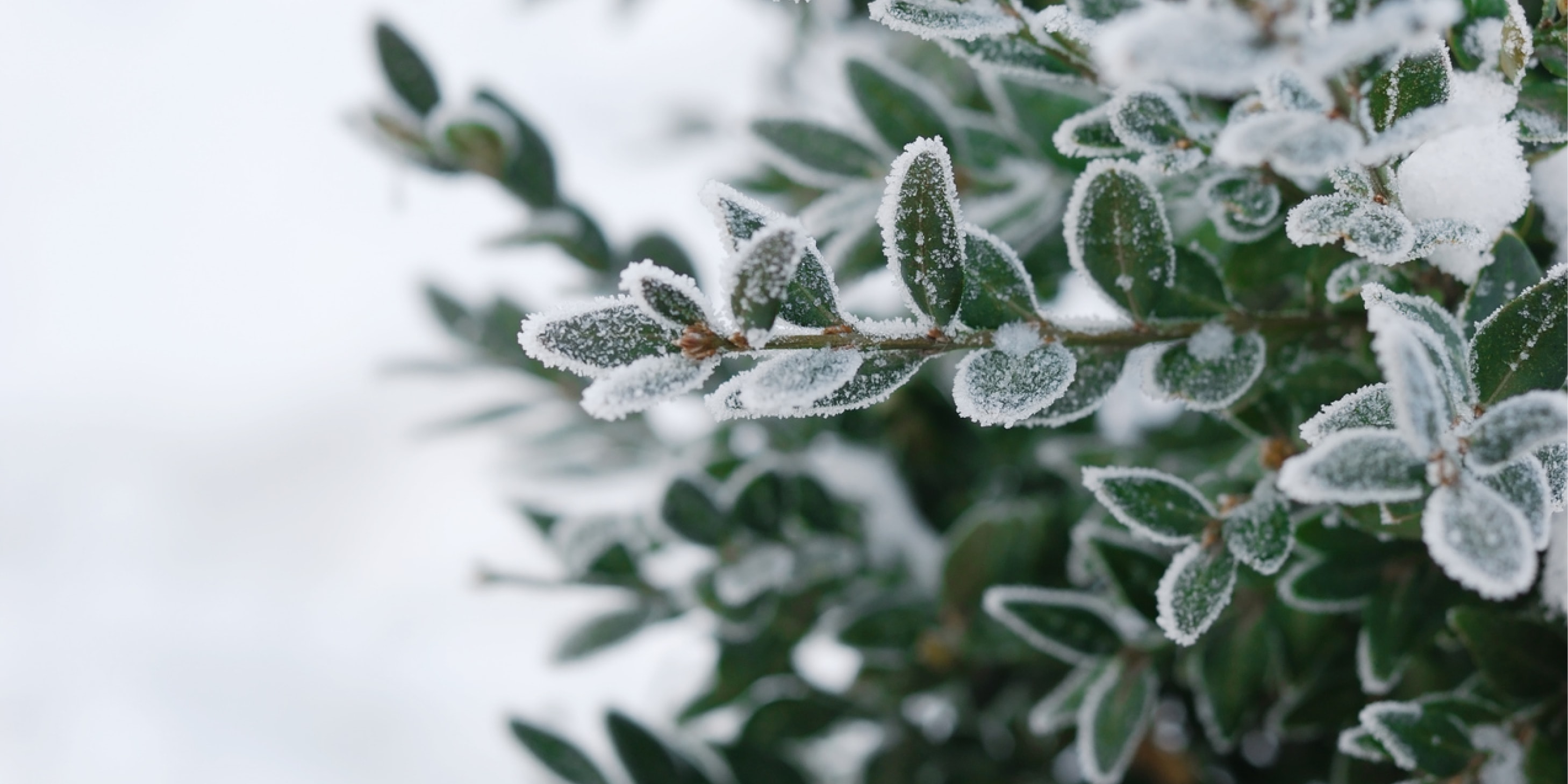
Evergreen shrubs are among the simplest winter landscaping ideas for front-yard beds, keeping their foliage while other trees lose their leaves. With their dense foliage, they can also help define garden borders and frame walkways. Consider these popular varieties:
- Boxwoods: Their foliage makes them ideal for borders and foundation plantings.
- Junipers: Low-growing varieties work well along walkways and in smaller garden beds.
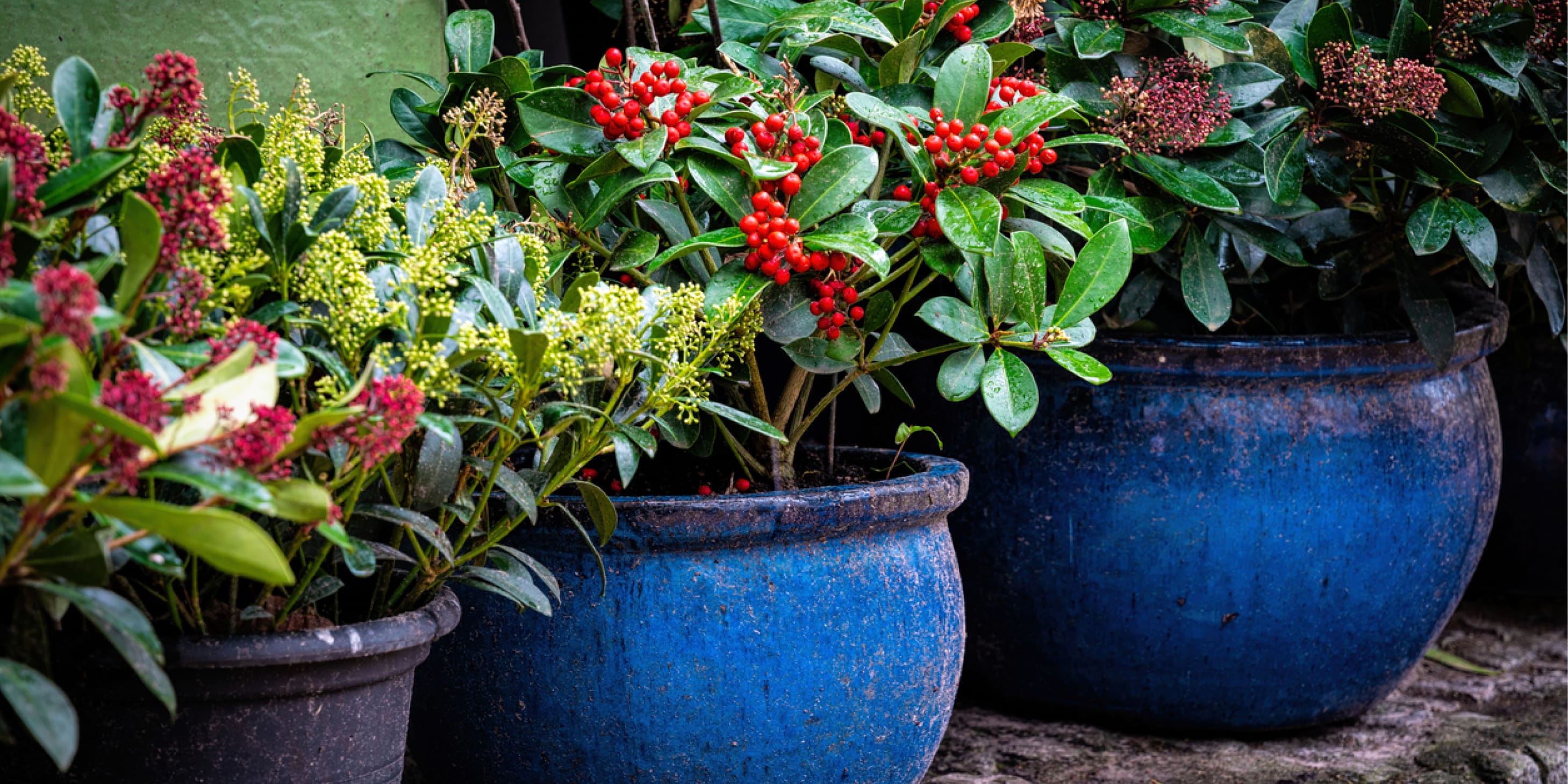
- Hollies: Certain evergreen varieties provide attractive foliage and can add color with their berries.
For planting near your entrance, choose compact shrubs suited to your climate and allow enough room for their mature size.
3. Include frost-resistant plants.
Some frost-resistant plants can add color to your garden well into winter. Winterberry holly offers bright berries on bare branches, while red-twig dogwood adds striking red stems. Depending on your location, hellebores might bloom during late winter. Before buying your plants, be sure to check the USDA Plant Hardiness Zone Map to see which varieties suit your region.
Winter Flower Beds
Winter flower beds can brighten your yard when other plants are resting. Consider these winter garden ideas for creating attractive arrangements.
4. Design colorful winter flower beds.
Garden beds can look a little empty after summer flowers fade. In milder climates, pansies and violas can provide vibrant flowers during cooler months. Ornamental kale and cabbage also offer colorful foliage that tolerates chilly conditions. Choose plants suited to your local temperatures and available sunlight.
Pro Tip: When replanting seasonal flower beds, avoid growing plants from the same family in the same spot for more than two consecutive years. Related plants can share diseases that build up in the soil over time. Rotating plant families can help reduce these problems and keep your flowers healthier.
“Nothing makes a community more welcoming than beautiful flowers, clean garden beds, neat hedges and lawns.” – Laszlo Antal, Associa British Columbia
5. Create layered flower arrangements.
Layering plants of different heights adds depth and makes smaller gardens appear fuller. Here are some tips for creating attractive arrangements with your seasonal outdoor décor:
- Back Row: Start with taller evergreen shrubs to provide height and structure.
- Middle Row: Add medium-height plants with different leaf shapes and colors for visual interest.
- Front Row: Finish with low-growing seasonal flowers along the border.
Avoid overcrowding plants and group varieties with similar sunlight and water requirements.
Emphasize Hardscape Features
Hardscape features give your yard structure when seasonal plants become less prominent. You can also use winter grasses and seasonal decorations to add visual interest.
6. Use seasonal outdoor décor ideas.
Seasonal outdoor décor can add warmth and personality to your landscaping. Try arranging evergreen branches in large planters near your front door. Natural pinecones, decorative wreaths, and weather-resistant containers can also complement a winter garden. Choose a few coordinated pieces rather than filling every available space.
7. Utilize ornamental grasses in winter.
Ornamental grasses in winter offer interesting textures and movement when other plants lose their foliage. Varieties such as switchgrass and little bluestem can retain attractive seed heads and golden stems during colder months.
Leaving healthy stems standing until spring can provide shelter for wildlife. Remove damaged growth and follow your community’s maintenance requirements.
8. Add pathways for visual interest.
Garden pathways can create charming avenues through your landscape, particularly when winter vegetation becomes sparse. Stone pavers, brick walkways, and decorative edging can define planting areas and connect different parts of your yard.
Choose slip-resistant materials suited to your local weather conditions. In snowy regions, consider how easily pathways can be cleared. Permanent pathways might require architectural approval, so check your HOA’s requirements before installation.
Outdoor Lighting Ideas
Shorter winter days provide an opportunity to highlight your landscape after sunset. Well-placed lighting can improve visibility and complement your home’s appearance.
9. Enhance landscape with effective lighting.
When it gets dark early, lighting along walkways can make a real difference. Here are a few outdoor lighting ideas to keep paths shining:
- Illuminate Walkways: Install low-level pathway lights to improve visibility.
- Highlight Landscaping: Use subtle lighting to draw attention to evergreens.
- Choose Warm Lighting: Select warm lights for a softer appearance that complements your home’s exterior.
- Control Brightness and Timing: Position fixtures away from neighboring windows and use timers to manage operating hours.
Check your community’s outdoor lighting guidelines before installing new fixtures.
10. Choose weather-resistant lighting options.
Outdoor light fixtures face rain, snow, and freezing temperatures throughout winter. Select lighting products rated for their intended outdoor location. Fixtures exposed directly to precipitation should be rated for wet locations.
LED lights are an energy-efficient choice. ENERGY STAR says that LED lighting products can produce light up to 90% more efficiently than incandescent bulbs. For dependable operation, follow the manufacturer's installation instructions and inspect outdoor wiring regularly.
Keep Your Landscape Looking Its Best All Winter
Winter is a good time to notice which parts of your yard could use a little attention. You might refresh a flower bed now and save a larger walkway project for warmer weather. As you explore these winter landscaping ideas for homeowners, remember that community standards help preserve the neighborhood’s overall appearance.
Associa helps community associations manage landscaping requirements, maintain common areas, and support compliance with governing documents. Visit our website to learn how professional HOA management can help your community thrive year-round.
This article draws on Associa’s community management resources and winter landscaping information from the USDA, University of Georgia Extension, University of Minnesota Extension, and ENERGY STAR.