Halloween in an HOA: Balancing Rules, Safety, and Fun
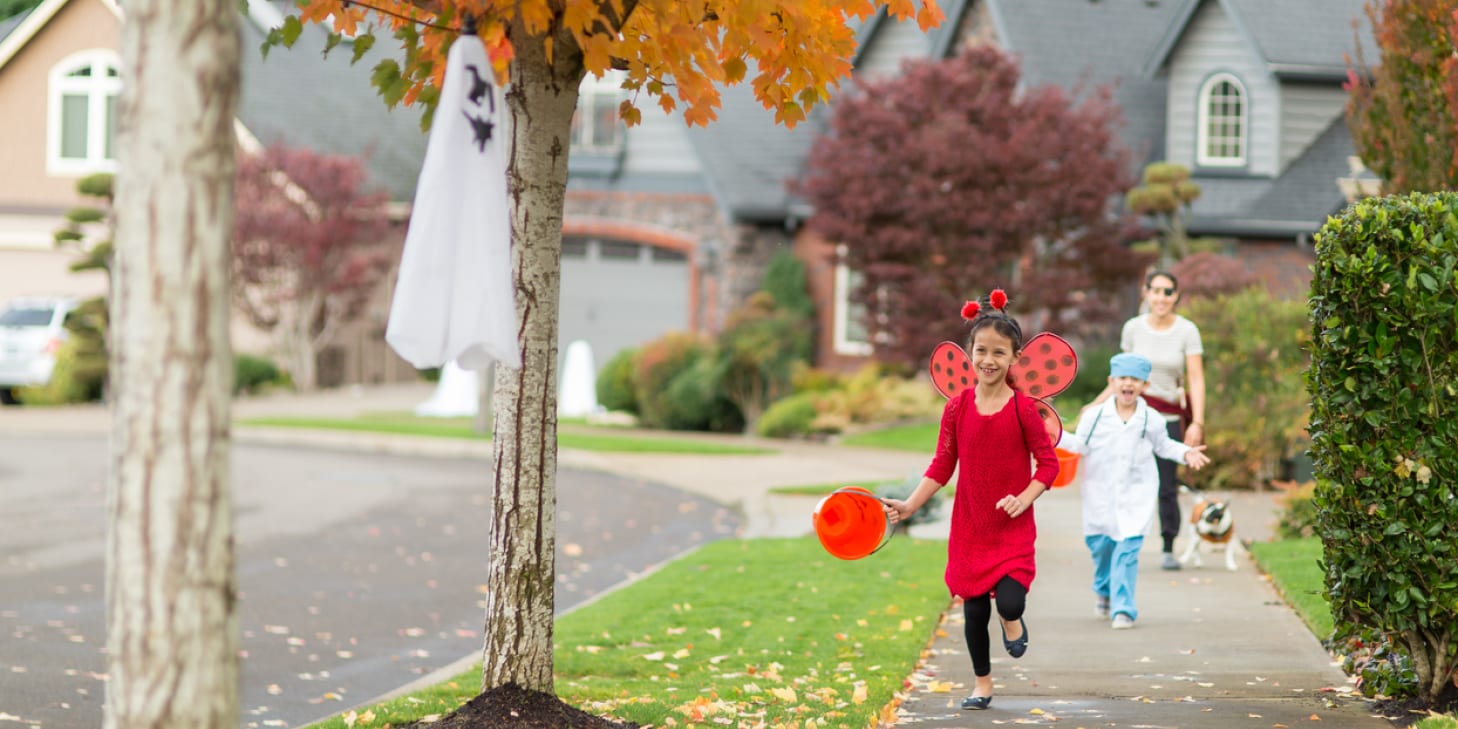
There’s no better way to welcome spooky season than with a homeowners’ association (HOA) Halloween celebration. A holiday filled with candy, costumes, and community, Halloween is the perfect time to bring the neighborhood together for an evening of fun. With 74% of people planning to celebrate, it’s sure to be a popular neighborhood activity. Read on to learn how to prepare the community for Halloween, so everyone experiences more thrills than chills.
Halloween Decoration Rules
Before Halloween decorations begin to magically appear on neighborhood lawns, communicate the association’s decoration rules. A friendly notice in September gives residents time to plan their displays accordingly. Remind homeowners about any applicable guidelines for:
- Decoration Timelines. Explain when Halloween decorations can go up and when they need to come down.
- Placement. Remind residents where displays are permitted. Large decorations shouldn’t block sidewalks or create visibility problems near streets.
- Lighting. According to the Epilepsy Foundation, certain flashing lights or visual patterns can trigger seizures in about 3% of people with epilepsy. Keep this in mind when communicating any restrictions on flashing or unusually bright displays.
- Noise. Reiterate applicable limits on music, sound effects, or other decorations that could create noise concerns.
Remember to balance enforcement actions reasonably. When enforcement is necessary, follow the procedures established in the association’s governing documents.
Trick or Treating in an HOA
Don’t let the idea of coordinating a delightful trick-or-treating plan scare you. To ensure the door-to-door festivities go smoothly, consider these tips.
Check the Governing Documents
Maintain neighborhood peace and harmony by first reviewing the governing documents. You don’t want to violate the rules and restrictions designed to protect residents’ privacy.
Designate Trick-or-Treating Hours
Set a defined early-evening window for trick-or-treating. Share the hours well in advance through the neighborhood’s regular communication channels.
Create a Trick-or-Treating Map
Create a voluntary map showing participating homes. Interested households can opt in, giving families a simple way to identify where trick-or-treaters are welcome.
Inform Households of the Porch-Light Option
Encourage participating households to leave their porch lights on during the recommended hours. Residents who prefer not to participate can leave their lights off.
Halloween Community Activities
While every fall event should consider location, capacity, parking, accessibility, and weather, these Halloween ideas are the perfect way to create buzz:
- Halloween Scavenger Hunt. Hide themed clues around approved common areas and create routes for different age groups.
- Spooky Story Walk. Place pages from an appropriate seasonal story along a walking route for families to follow.
- Halloween Door-Decorating Contest. Invite residents to decorate their doors, then let neighbors vote for their favorites.
- Mystery Trail. Create a short walking course with riddles or clues leading participants to a final Halloween surprise.
- Costume Parade. Designate a route where children and adults can show off their costumes before trick-or-treating begins.
- Halloween Pet Costume Walk. Invite residents to bring leashed pets in costumes for a short neighborhood parade or designated photo opportunity. Remind participants to follow all pet policies.
Before scheduling anything, check the association’s common-area rules. Confirm that the selected location can accommodate the planned activity.
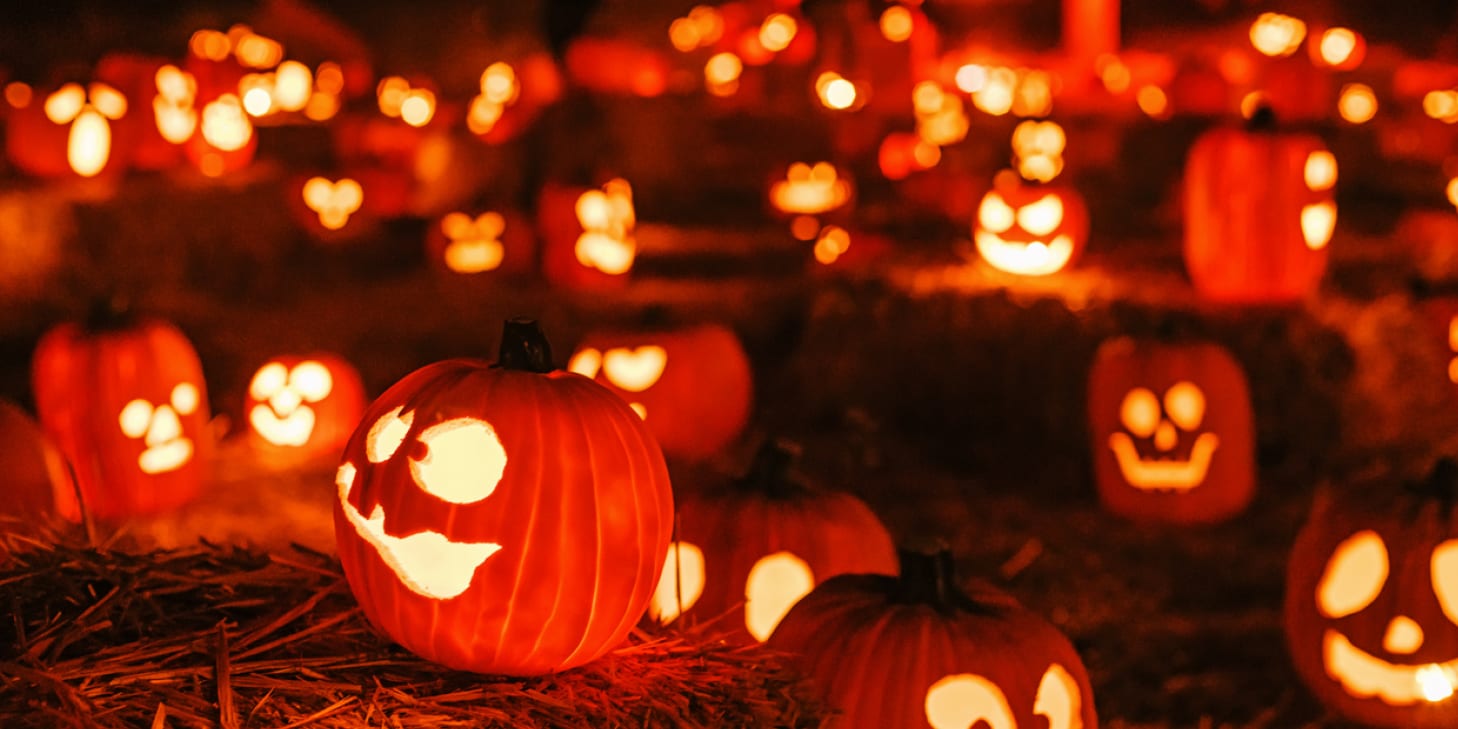
Tips for Halloween Lighting
Halloween activities often continue well into the night, when reduced visibility makes sidewalks and other pedestrian areas harder to navigate. With adequate lighting, residents can see walking routes and potential obstacles more easily. To keep nighttime safety a priority, consider these lighting tips:
Walk the Property after Dark
Inspect association-maintained areas a few weeks before Halloween. A nighttime walkthrough will reveal burned-out bulbs or poorly illuminated areas that may be less noticeable during the day.
Check Frequently Traveled Routes
Focus on sidewalks, entrances, parking areas, and gathering locations. Addressing lighting concerns before Halloween, when nighttime foot traffic increases, can help.
Consider Automatic Lighting
Use photocell sensors or solar timers to activate lights as darkness falls. These features ensure outdoor lighting turns on when needed without relying on someone to operate it manually.
Clear Existing Light Sources
Trim association-maintained landscaping that blocks outdoor lights. Check that temporary Halloween decorations don’t obstruct existing lighting sources.
Inspect Pathways Before Events
Check walking routes for dark areas before planned Halloween activities. Give particular attention to locations where more residents or guests are expected to gather.
Check Pedestrian and Vehicle Crossings
Make sure pedestrians can clearly see walking routes where they intersect with vehicle traffic. Position or adjust the HOA-maintained lighting to improve visibility without creating excessive glare for drivers or pedestrians.
Parking and Safety for Halloween
Halloween brings more cars into the neighborhood, just as more residents take to the streets. Increased vehicle and foot traffic can create congestion, limit visibility, and make routes harder to navigate. Reviewing parking plans beforehand will help the board identify potential safety concerns. Before October 31:
Remind Homeowners about Guest Parking
Ask residents to keep vehicles away from restricted locations and other areas identified in the association’s rules. Properly parked vehicles will ensure designated travel routes are clear and preserve visibility for drivers and pedestrians.
Inspect Pedestrian Routes
Assess association-maintained sidewalks for maintenance concerns before Halloween. Clear, well-maintained walking surfaces help pedestrians navigate the neighborhood more safely after dark.
Check Visibility
Make sure pathways are well-lit, so pedestrians can see walking surfaces and other people. Trim HOA-maintained foliage that could obstruct visibility along heavily traveled routes.
Plan Parking for Community Events
If the association is hosting an organized event, establish where guests should park. Larger gatherings might require additional traffic planning to prevent congestion and keep pedestrian routes accessible.
Communicate with Local Police and Fire Departments
Maintain relationships with local police and fire departments as part of broader neighborhood safety planning. If Halloween activities could affect traffic or access, communicate relevant plans or concerns with the appropriate local departments.
Send a Halloween reminder shortly before the holiday. Include the trick-or-treating schedule, map, and parking information. Add details about planned association activities, too. A timely reminder gives residents the information they need before the big day arrives.
LEARN MORE: “A Winning Parking Playbook For Any Community”
The Key to a Successful HOA Halloween
A successful HOA Halloween starts with early planning and clear communication, but professional support can make seasonal event planning easier for busy boards.
Associa’s lifestyle services offer professionally planned programs designed to connect neighbors and enhance the resident experience. From community-building events to holiday parties, these services provide boards with professional support in creating memorable seasonal activities.
Visit Associa to learn more about professional community management and lifestyle services.
Reviewed for accuracy using Associa’s community management, board education, and governance resources.